Reference to video clips are getting cleaner because the clip now holds one face, one mood, and one move at a time. That sounds simple, but it is the whole shift. The best results no longer feel like random motion tests. They feel like a short scene that could sit in a Reel, a Story, or a creator intro without looking off.
The look is easy to spot. The subject stays steady. The light stays consistent. The background helps the scene instead of fighting it. That is why the new wave feels more polished than the older, more glitchy motion edits. It reads like a real shot list, not a prompt dump.
If you want the quick version, this post is the reference to video clips guide for anyone who wants that cleaner, camera-ready look without overcomplicating the prompt.
- What changed in the newest reference-to-video look
- Four clip styles that show the trend clearly
- Simple prompt habits that keep the motion clean
- Where the trend is heading next
Reference to video clips: what changed
The biggest change is consistency. Earlier motion tools could move the scene, but they often lost the person, the outfit, or the lighting halfway through. The newer reference to video clips style keeps those pieces locked together. That matters because viewers read stability as quality. When the face stays recognizable and the camera move feels intentional, the clip feels more expensive.
The second change is framing. Short vertical clips now lean into a single readable action: a turn, a walk, a hair sweep, a look back, a slow push-in. That gives the eye a place to land. It also makes the clip easier to reuse as a post cover, a teaser, or a profile intro.
The third change is that the background is finally doing useful work. Rain, glass, neon, stairways, and reflective surfaces all help the motion. They create depth without clutter. That is why the polished version of this trend feels cinematic even when the action is tiny.
4 looks that show the trend
These four frames are not random style tests. Each one is built to show how reference to video clips can feel controlled, clean, and ready for social.
| Look | Why it works | Prompt cue |
|---|---|---|
| Rainy rooftop | Wind and dusk light make the motion feel real | One subject, soft wind, steady pose |
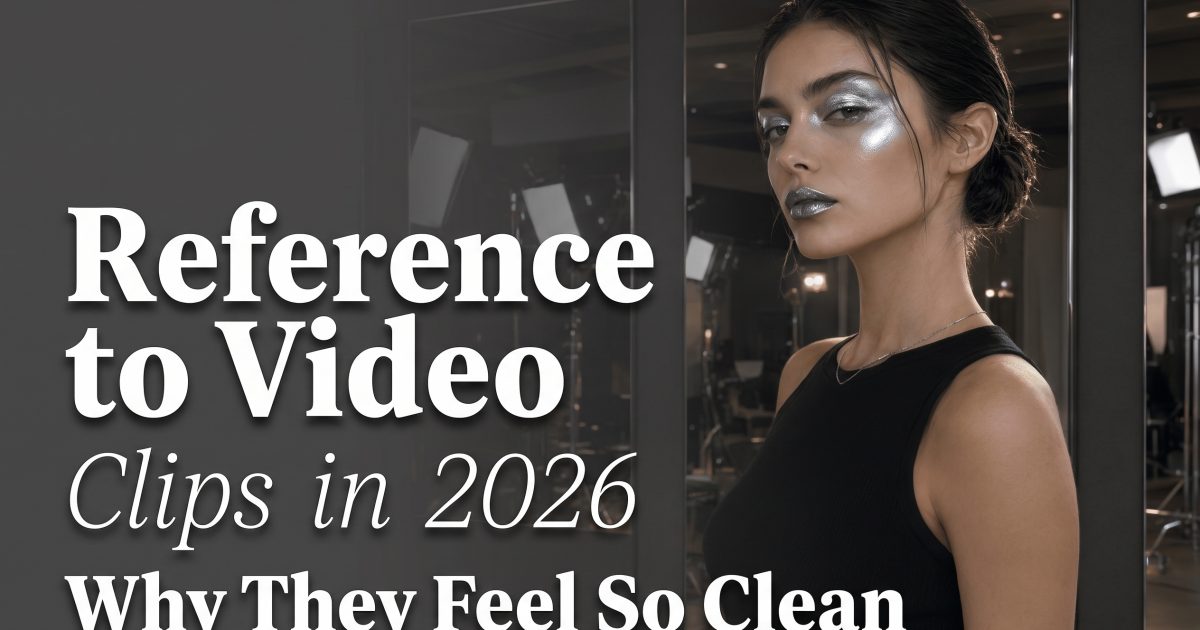
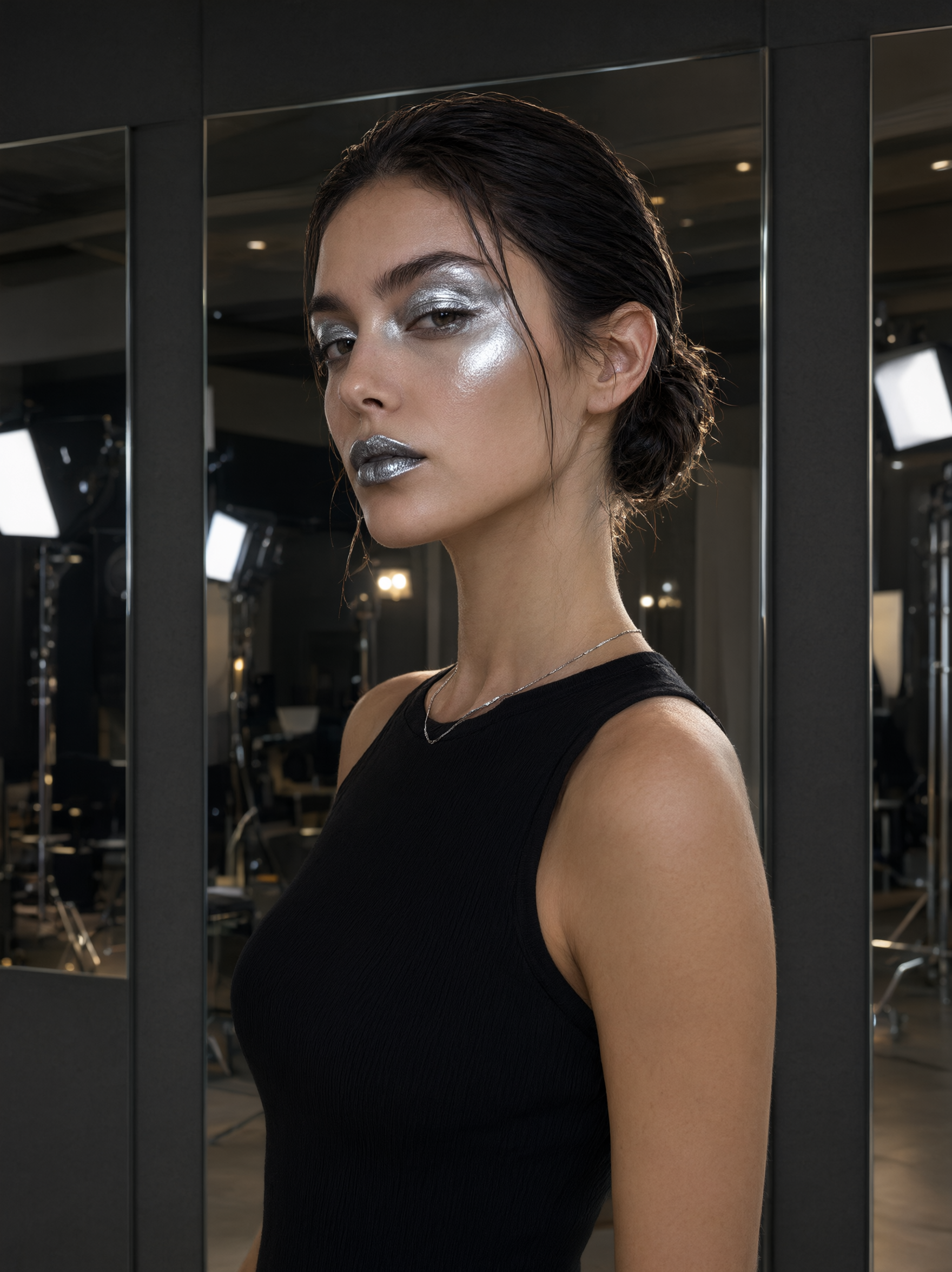
| Mirror-lit studio | Reflections add depth without extra chaos | Clean light, slight turn, tight framing |
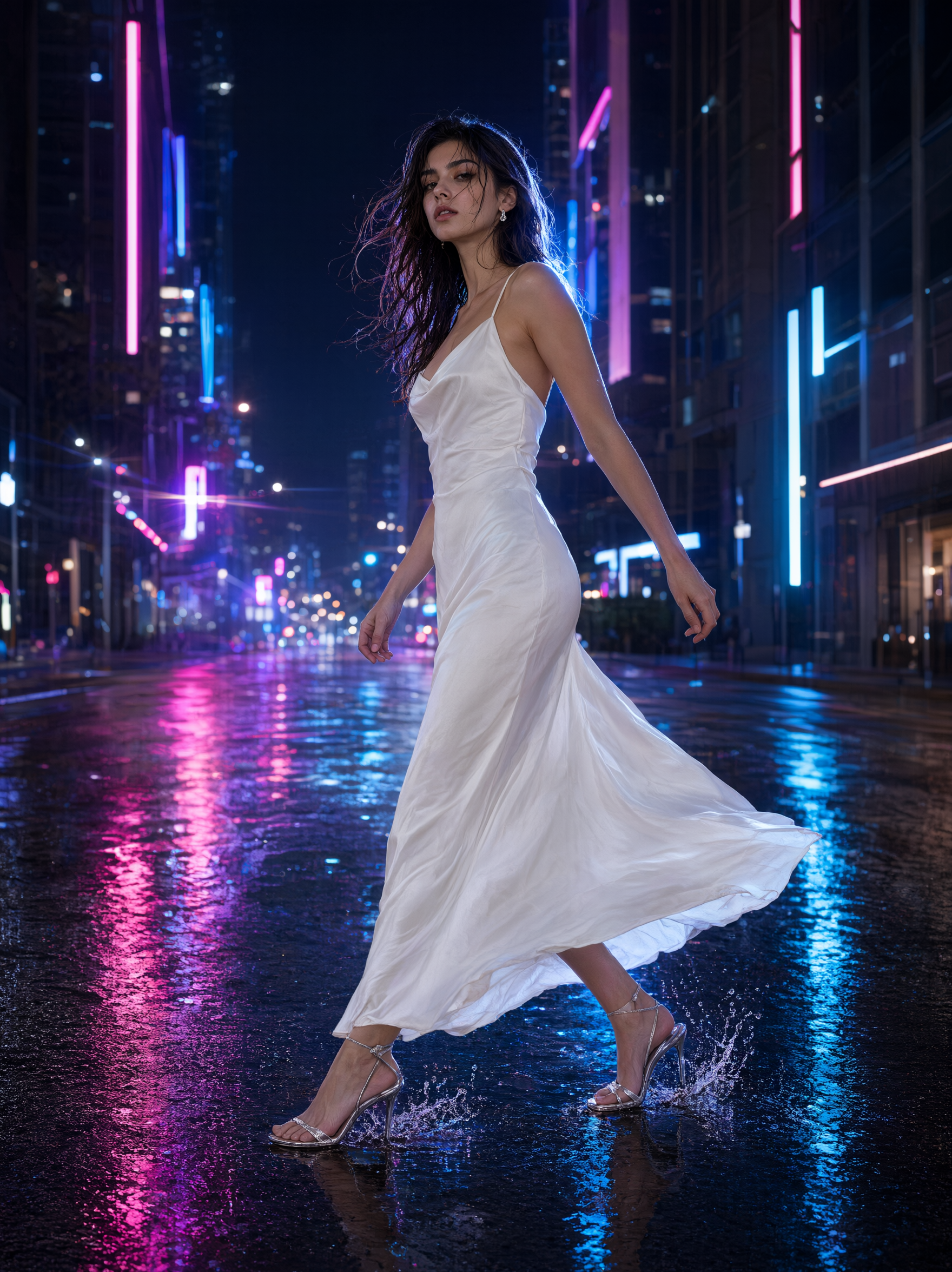
| Neon street walk | Color and wet pavement give the clip a bigger feel | Night glow, slow walk, one shoulder turn |
| Sunset stairway | The scene feels calm, expensive, and easy to read | Warm coat, scarf movement, simple posture |
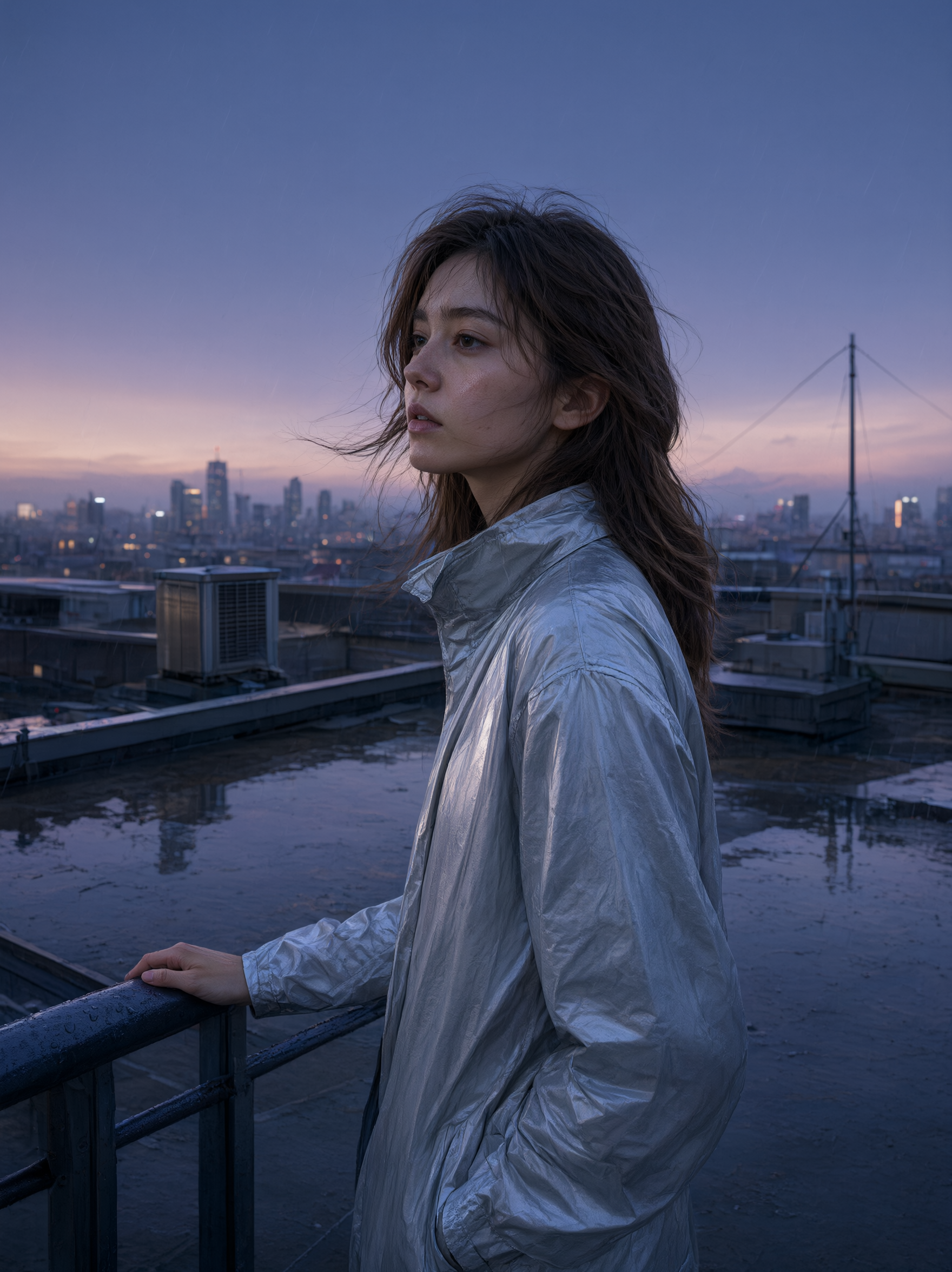
The rooftop frame works because it gives the clip a natural start and stop. The subject can hold still, then the wind and light do the rest. That keeps the motion readable on a phone screen.
The studio version feels sharper. It is the cleanest one for a creator intro or a beauty reveal. The mirror gives it depth, but the framing stays tight enough to keep the face front and center.
This is the most social-ready version. It has the strongest color hit, and the reflections make the frame feel like a real night shoot instead of a flat AI image.
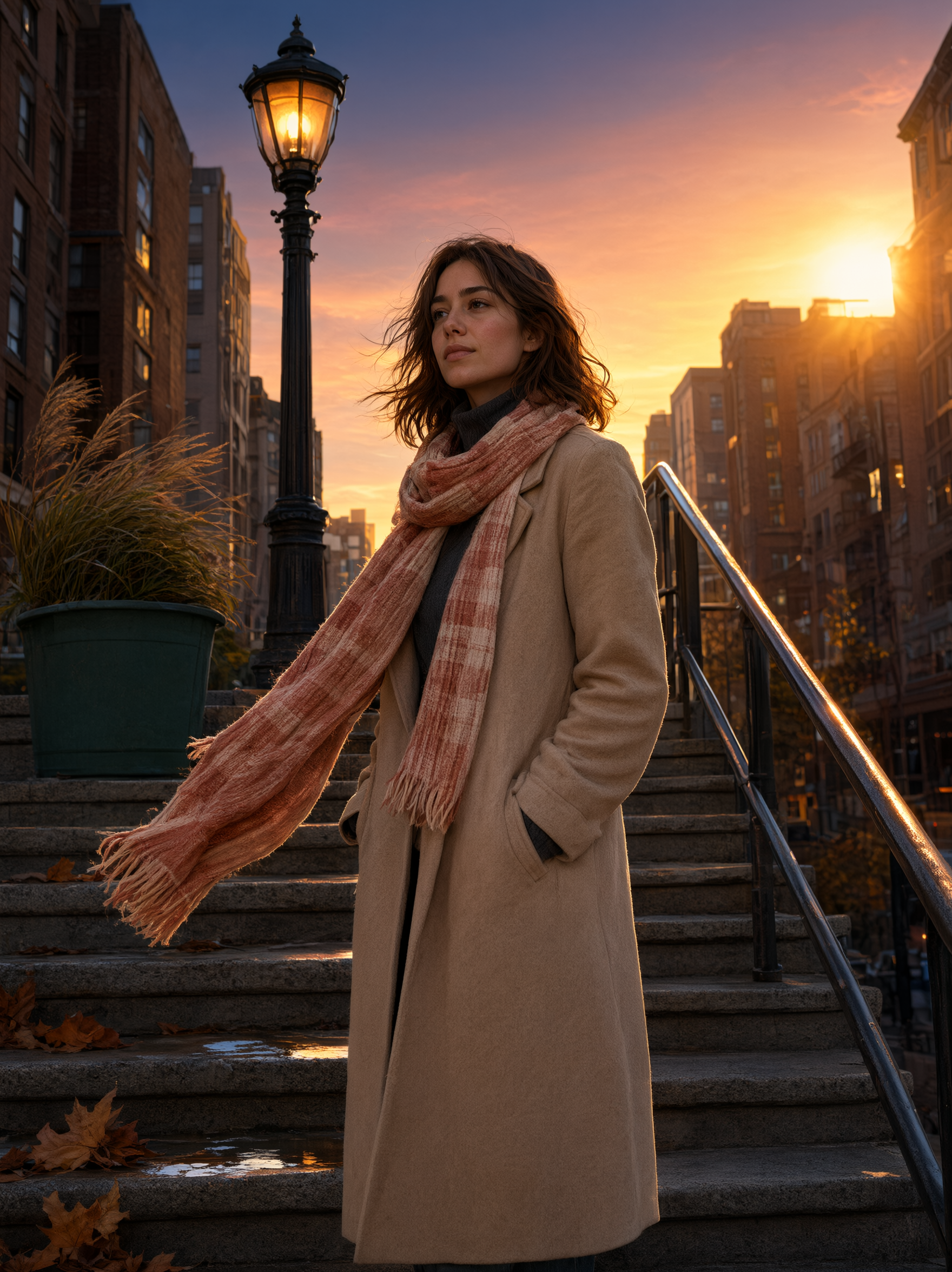
The stairway frame is the quiet one. It works well when the goal is polish rather than drama. That kind of restraint is exactly what makes the newer clips feel more finished.
How to get the cleaner look
Start with one subject. Do not ask the model to manage three people, two camera moves, and a scene change in one shot. One clear person gives the clip a spine. One action gives it movement. One camera instruction gives it shape.
Keep the motion small. A turn, a walk, a pause, a hand to hair, or a look over the shoulder is enough. Big action usually breaks the illusion. Small action lets the details survive.
Choose a background with texture. Rain, glass, neon, stairs, fabric, and wind all help. They make the motion feel like part of a real scene. If the background is too plain, the clip can look stiff no matter how good the subject is.
For a simple prompt structure, use this order: subject, action, camera, light, mood. That is the same basic shape behind the clips in AI Video Prompts in 2026: What Changed. The cleaner the order, the better the output usually behaves.
Where the trend is going next
Reference to video clips are moving toward story-led posts, creator intros, and product teasers. The reason is obvious. Short clips that hold identity and style are easier to reuse across platforms. They also feel closer to a real edit, which is what people want when they scroll fast.
The model side is also moving in that direction. Wiro's Wan 3.0 Prime R2V Uncensored page shows the same shift toward longer reference-guided clips. The broader Wan 3.0 ecosystem says the same thing on Wan 3.0 and on Wan 3.0 Prime Image-to-Video on fal. The trend is not just motion. It is control.
If the goal is a post that feels polished on first glance, keep the reference simple, the action small, and the camera honest. That combination is doing most of the work right now.
Create this effect in Bloom AI
Recreate these effects on your own photos and videos — free to start.